
E85 Can Make Great Power — If the Whole Setup Is Ready
E85 gives the tuner more room, but cold start, fuel volume and changing ethanol content all need to be handled properly.
Why E85 works so well
Ethanol cools the charge and resists knock, so a suitable engine may run more boost or ignition timing. That extra room is useful, but the final power still depends on the engine, turbo and airflow.
The fuel system has to keep up
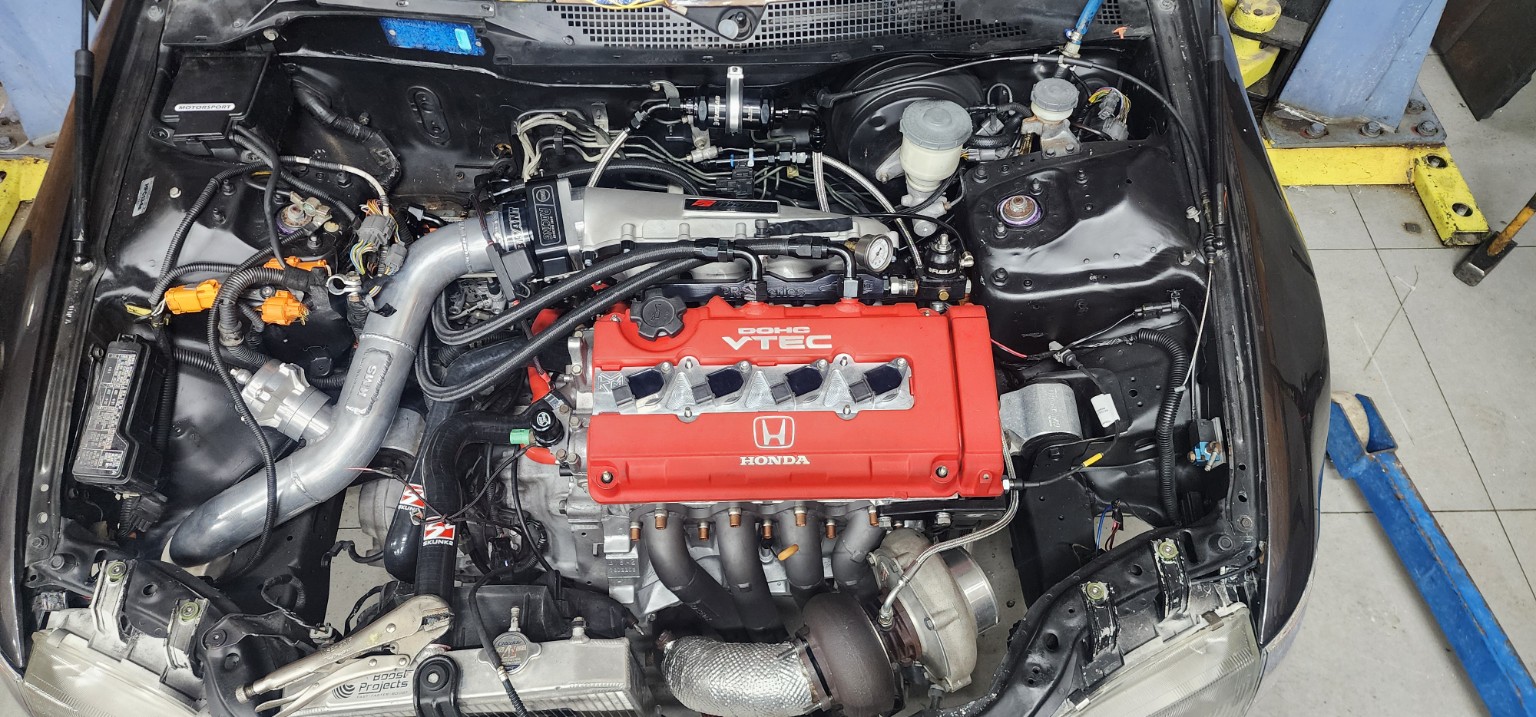
E85 needs more fuel volume than gasoline. Pump flow, injectors, lines, pressure control and electrical supply all have to be checked at the real target load — not just at idle or low boost.
Cold start is part of the tune
An E85 car should still start in the morning and settle into a clean idle. Good injector data, cranking fuel and warm-up control turn a race-fuel setup into a car that behaves properly every day.
Need help with a tune or a problem that won't go away? Send Chen the details.
Email Chen