
Wiring That Still Works Years Later
A harness can look perfect on the bench and still fail in the car. Heat, vibration and easy service matter more than a pretty finish.
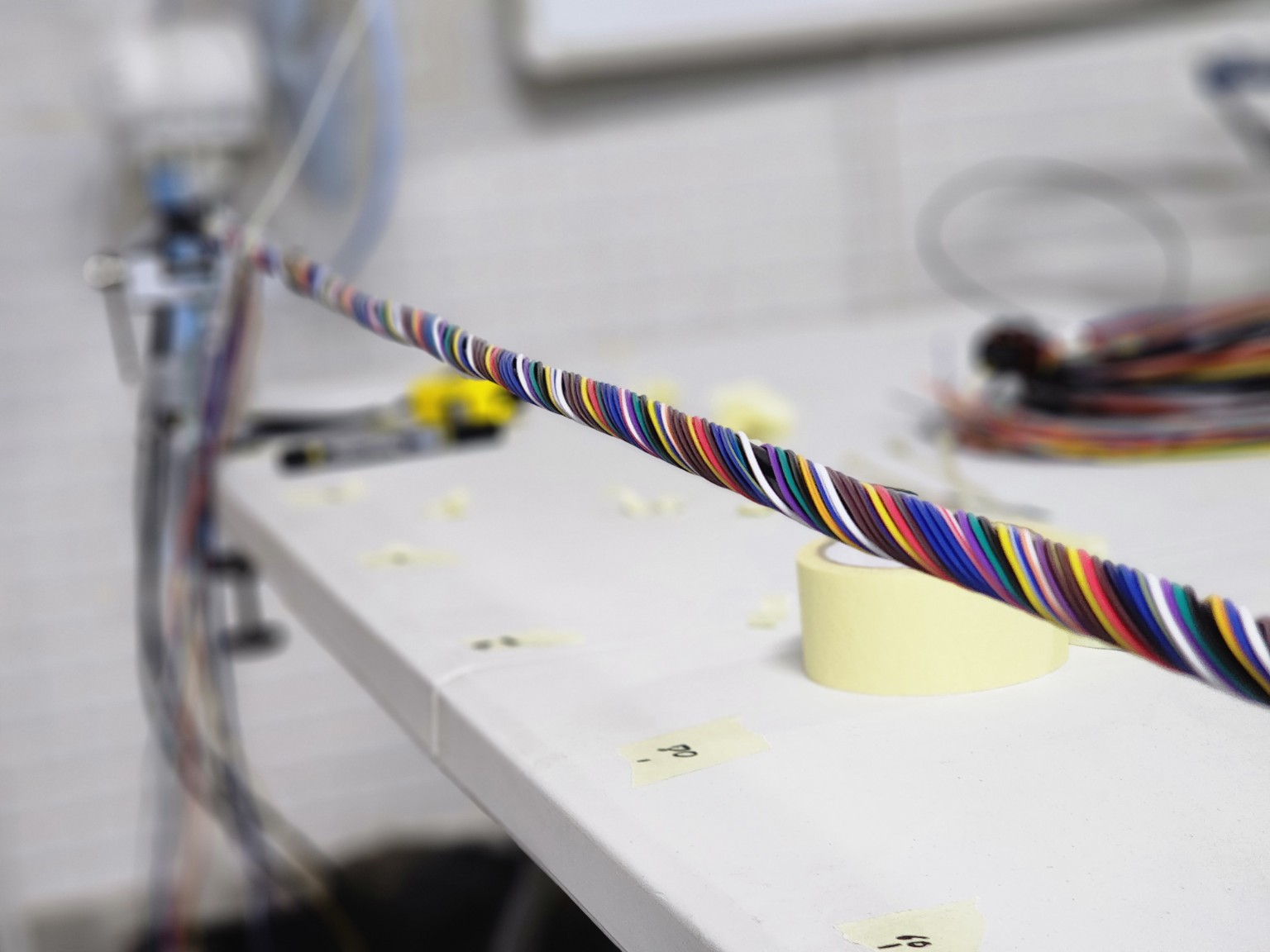
Plan first, cut later
Every fuse, relay, splice, ground and connector needs a reason. Wire size has to match the current and length of the run. The finished harness should be easy to check, hard to connect wrong and simple to service later.
Routing decides how long it lasts
The shortest route is not always the right one. Keep wiring away from exhaust heat, sharp edges and ignition noise. Give connectors strain relief and support the harness without crushing it.
Test more than continuity
A beep from the meter is not enough. We check pin locations, resistance, isolation and power distribution. Sensor circuits get extra attention because a small wiring issue can create a noisy trigger once the engine runs.
Need help with a tune or a problem that won't go away? Send Chen the details.
Email Chen